The short version
- At club level the return’s job is to start the point, not to win it. Deep and in beats hard and wide.
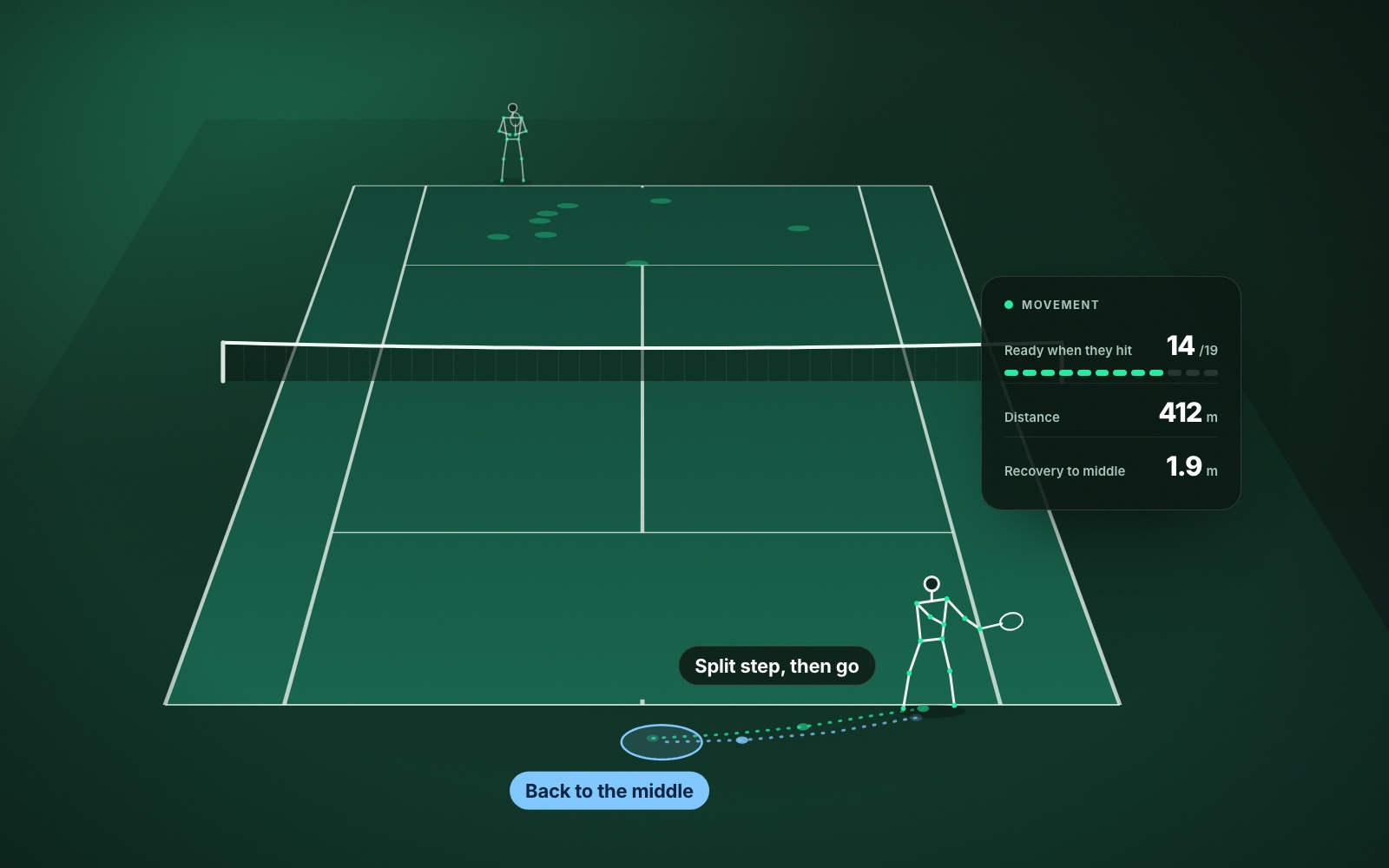
- Being ready when your opponent hits is measured by ContactFrame, and it is the root of most poor returns.
- ContactFrame does not label returns as their own shot type. Film a serve-and-return drill so every shot you hit is a return.
- Shorten the swing on first serves. Step in on second serves.
- Return practice needs a server. Trade ten minutes each with a partner and both of you improve.
Think about your last practice session. You probably hit a few hundred groundstrokes, some volleys and a basket of serves. The number of returns you practised was almost certainly zero. Yet you hit a return in half the points of every match you play, which is why working out how to improve your return of serve in tennis pays off faster than nearly anything else.
Poor returning hides well. When a return goes into the net, the credit goes to the server: “good serve.” Sometimes it was. More often it was an ordinary serve met by someone who was not ready.
Why you cannot judge your own return
The return happens faster than any other shot, and you have no memory of your own feet during it. Players are sure they split step. On video, many are flat on their heels when the serve is struck, or still walking into position.
You also tend to rate a return by how it felt off the strings. A cleanly struck return that lands on the service line is a gift to the server. A scrappy block that lands a metre inside the baseline is a good return. Feel has those the wrong way round.
How to film your return of serve
There are two useful recordings.
A serve-and-return drill, as a Practice session. Your partner serves from the far end and you return from the camera end. Play out nothing: serve, return, stop. Because ContactFrame does not label returns as their own shot type, this is the cleanest way to get return numbers. Every forehand and backhand in the session is a return.
A Match session. This shows what happens under real conditions. In playback you can step through the points and watch your returns with the ball track and bounce marks drawn on.
The camera setup is the standard one: phone in landscape on a tripod, two to three metres behind your baseline, around net height or higher, with the whole court visible, out of the sun, and left alone once you have lined up the four corners. Full instructions are in how to record a tennis match on your phone.
The numbers that matter for the return
- Ready when your opponent hit. ContactFrame’s movement measures include how often you were ready when the ball was struck at the other end. On a return, that means balanced and set as the server makes contact. This is the number to fix first, because everything else follows from it.
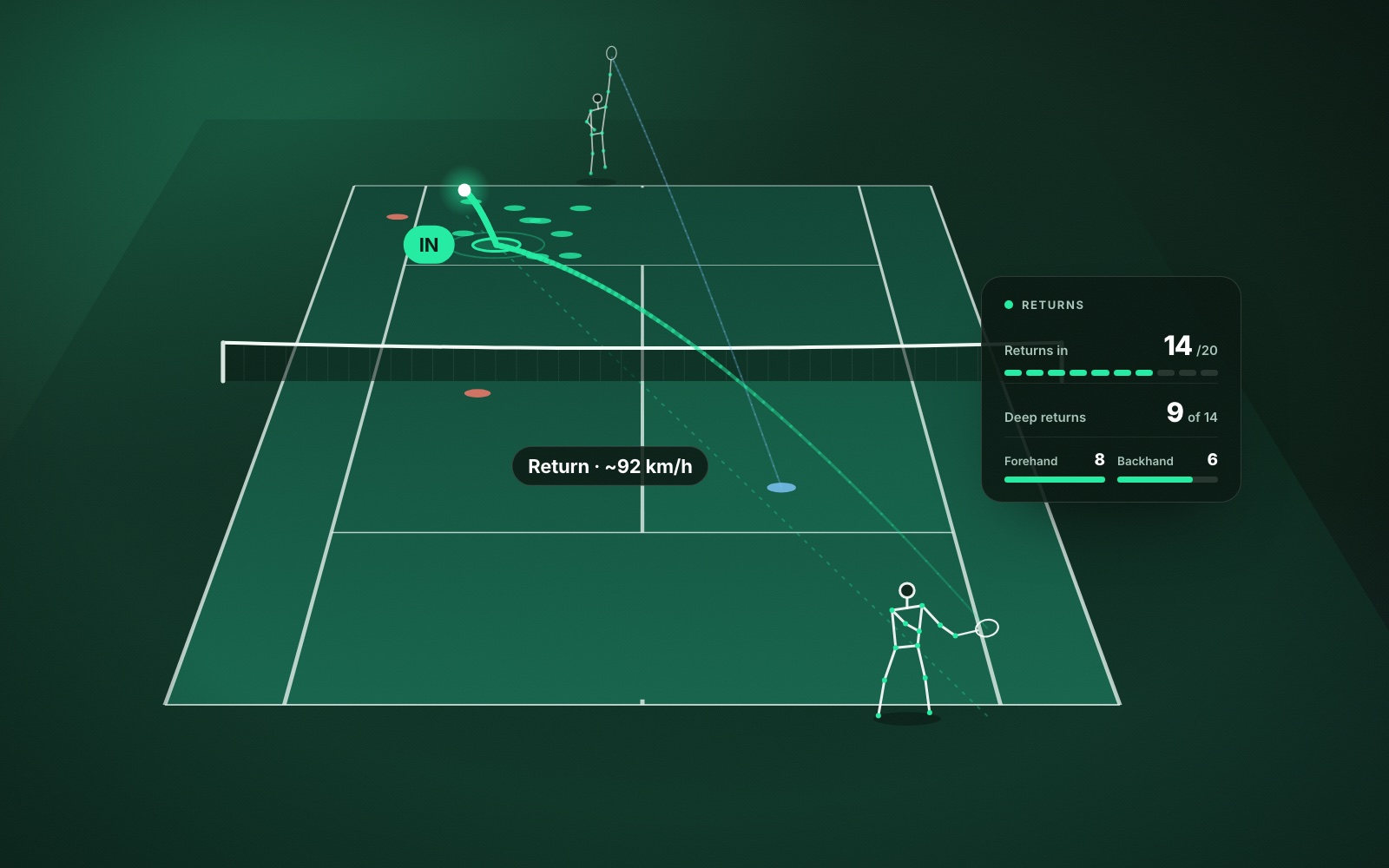
- How many landed in. In a return drill, your forehand and backhand in-counts are your return percentages on each wing. Expect one side to be clearly worse.
- Where they bounced. The shot placement map shows depth and direction. Returns bunched in the service boxes hand the server an easy second shot.
- Where you stood. ContactFrame shows your court position. Compare where you stood for the returns that worked with the ones that did not.
Speed matters least here. A return borrows its pace from the serve, and chasing a faster return is how good returners turn into bad ones.
Three drills to improve your return of serve
1. Split on contact
Your partner serves at a comfortable pace. Your only task is timing: a small hop that lands as the server strikes the ball, so you are on the balls of your feet when you see where it is going. Do not judge the return itself at all for the first twenty serves.
The number to watch: how often you were ready when your opponent hit. This should rise within a single session once you are paying attention to it. The harder part is keeping it up in a match, which is why you check it again there. There is more on the split step in how to improve tennis footwork.
2. Block it deep down the middle
Lay a towel in the middle of the server’s court, a couple of metres inside the baseline. Against first serves, use a backswing half your normal length and aim at the towel. Firm contact, in front of you, with a short follow-through.
The numbers to watch: in-count and bounce positions. Say that in your first session 55% of your returns land in and most of those are short. A sensible aim over a month is to push the in-count up and see the bounce marks gather around the towel. A deep return through the middle takes away the server’s angles and cancels much of their advantage.
3. Step in on the second serve
Ask your partner to hit second serves only. Start on the baseline, or a step inside it, and move forward into the return. Here you can take a fuller swing and aim crosscourt or at the server’s weaker wing.
The numbers to watch: where you stood, and bounce positions. Your court position should be clearly further forward than in drill two. If your in-count collapses when you step in, you are swinging too big. Keep the forward position and trim the swing.
A return borrows its pace from the serve. Your job is to send it back deep, not to add to it.
Checking the return in a match
After a Match session, use playback to go through the games your opponent served. Watch each return with the ball track on, in slow motion where it helps. You are looking for three things: were you set when they hit, did the return go in, and did it land deep enough to stop them attacking the next ball.
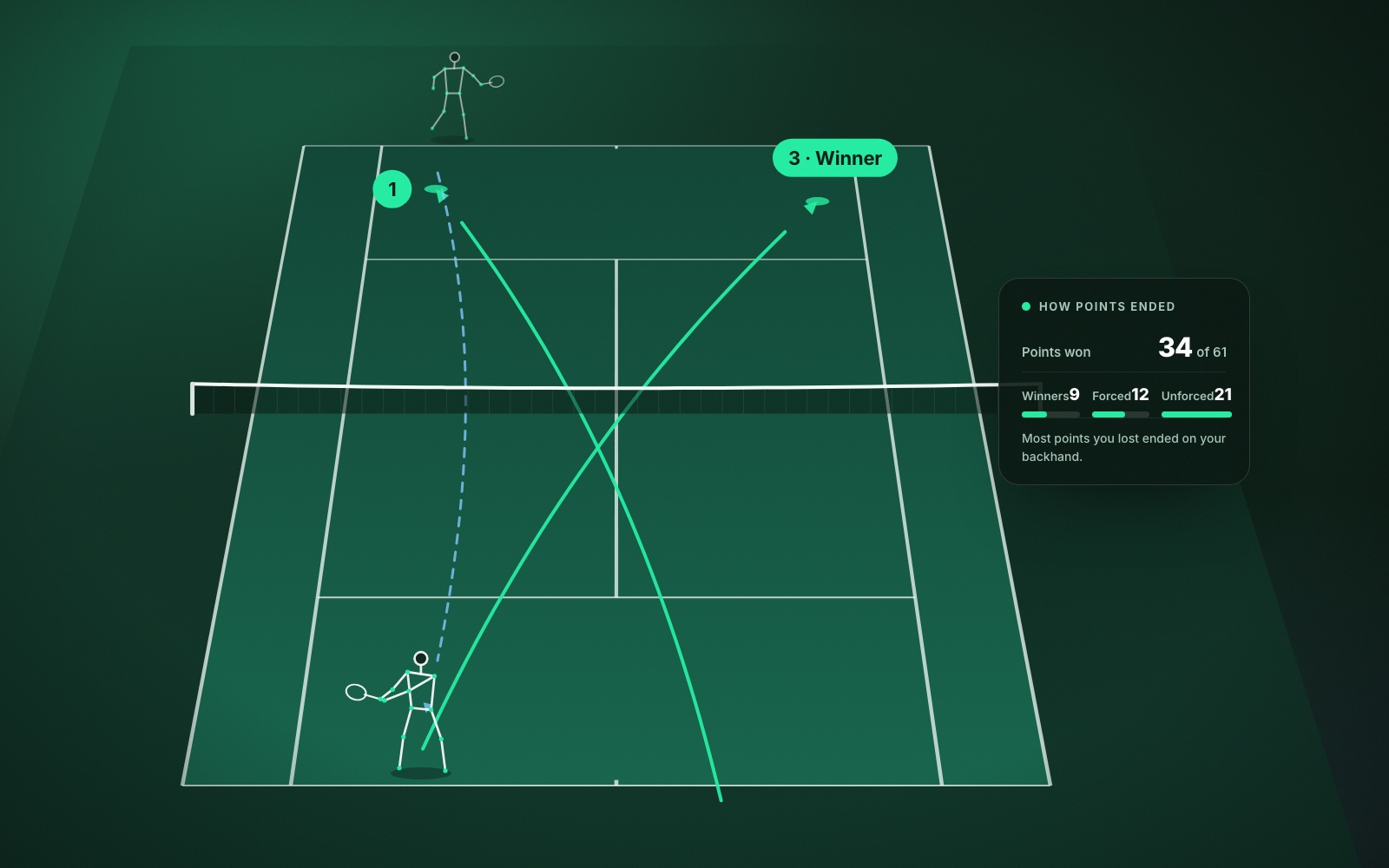
Then look at the points won in those games across several matches. If you are getting more returns in play and deeper, you should start winning more of the points that begin with your opponent’s serve. How to win more tennis points looks at that wider picture.
How to re-measure and how long it takes
Return practice needs a server, so make it a trade: ten minutes each, once a week. Film it every second week. Readiness can improve almost at once. Depth and in-count on the return usually take four to six weeks of that weekly trade to shift in matches.
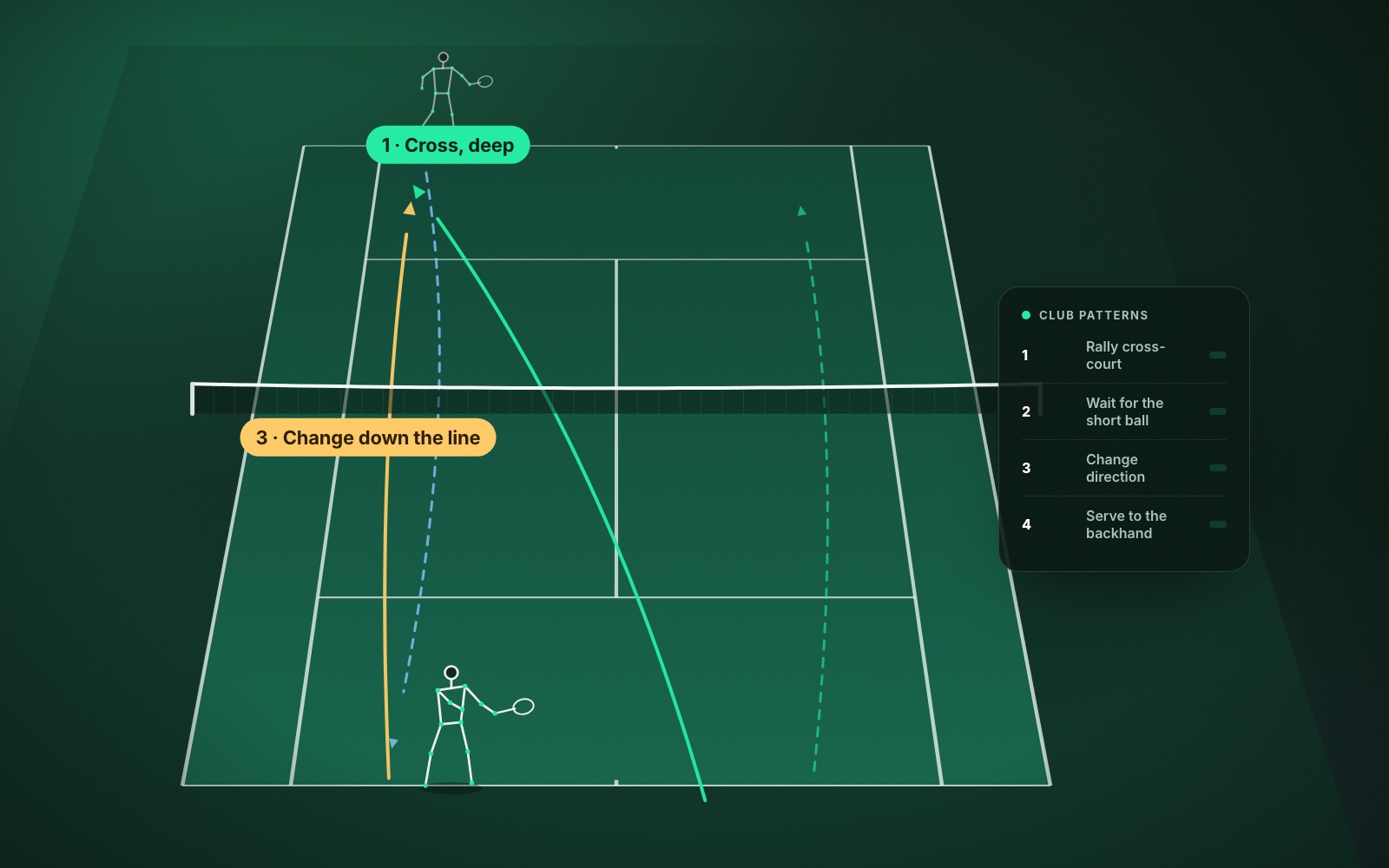
Use Trends in ContactFrame to compare your readiness and your return drill numbers over time. A good pattern for where to send returns is covered in singles strategy for club players.
What video cannot tell you about your return
ContactFrame does not analyse your grip, and it cannot tell you what you were looking at. Good returners read the server’s motion and the toss for clues about direction, and that is a skill of attention, not of movement. No camera behind you measures it.
The app also does not coach you live during play. If you are consistently late on the return despite a good split step and a short swing, a coach can check your ready position and how you change grips between forehand and backhand, which is often where the time goes.
To film your first returning session, see how The Lab works and join the list.
Common questions
How do I get better at returning serve in tennis?
Split step as the server makes contact, shorten your backswing, and aim deep through the middle of the court. Then practise it: ask a partner to serve to you for ten minutes while you return, and swap. Most players never practise the return at all.
Where should I stand to return serve?
For a first serve, a step or so behind the baseline gives most club players enough time. For a slower second serve, move up onto or inside the baseline so you can take the ball earlier. Adjust from there depending on the server.
Where should I aim my return of serve?
Deep and down the middle is the safest default in singles. It crosses the lowest part of the net, gives the most margin for error, and gives the server no angle to work with. Go for the corners once that return is reliable.
How do I return a fast serve?
Use a very short backswing and think of blocking the ball back with a firm contact in front of your body. The pace is already on the ball. A full swing against a fast serve is usually late.
Can a tennis app analyse my return of serve?
ContactFrame measures the speed, bounce position and in or out call of every shot, plus how often you were ready when your opponent hit. It does not label returns as a separate shot type, so film a serve-and-return drill or review the points in playback.
Start more points on your terms.
Film a returning session and see how ready you were, and where every return landed.
See The Lab